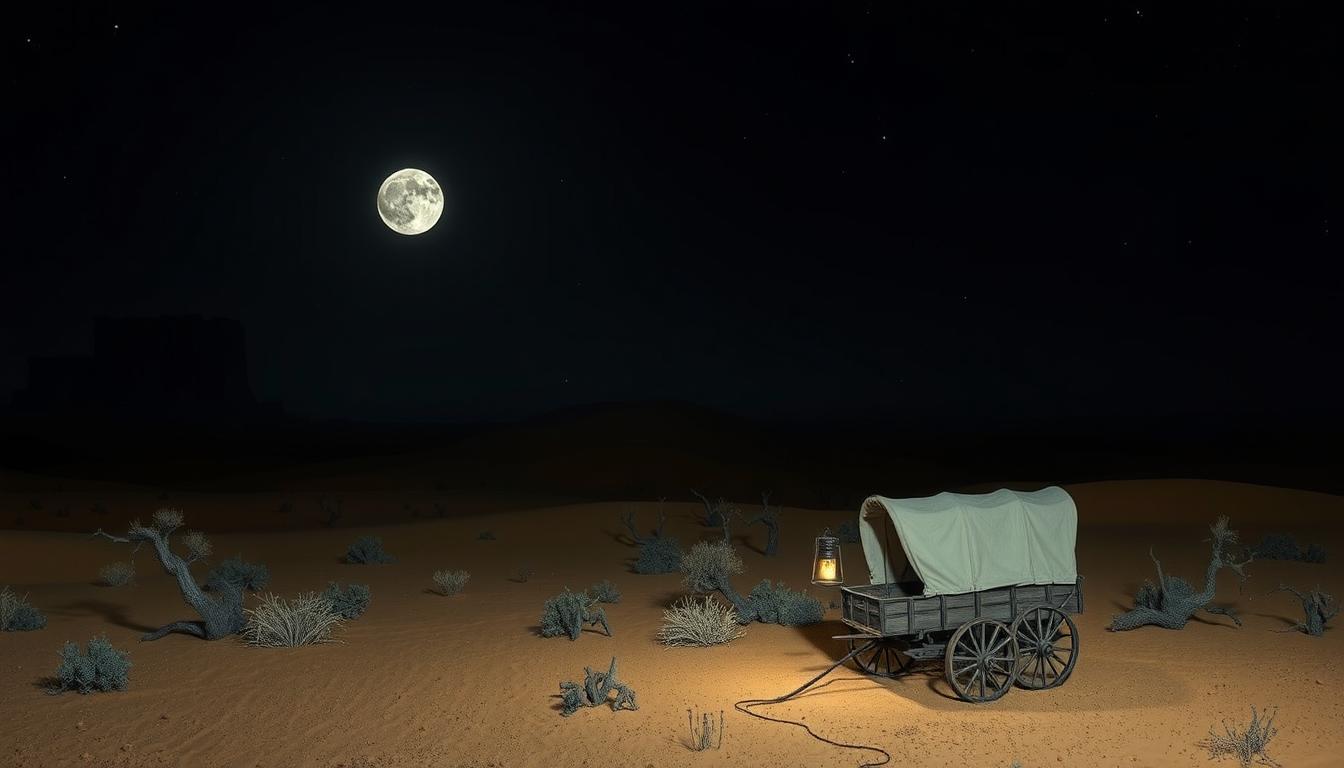
When the sun sets, the desert turns into a place of shadows and secrets. It might seem exciting to explore under the stars. Yet, it’s vital to think about what’s hidden under the night sky. Why do people avoid night travel in the desert? There are many risks. Extreme cold and confusing paths in the dark are just the start. For anyone looking to explore, safety should be the top concern. This is especially true when the thrill of night travel can quickly become scary.
Traveling in the desert at night can stir up a sense of adventure. But it’s important to move with caution and knowledge of the area. Let’s look into why night travel in the desert is much harder than it seems.
Key Takeaways
- Understanding the environmental challenges is vital before traveling at night in the desert.
- Extreme cold can pose a severe risk to nighttime travelers.
- Poor visibility increases the likelihood of accidents and disorientation.
- Unique wildlife encounters can be thrilling yet dangerous.
- Safety precautions are essential to mitigate the desert travel safety risks.
- There are safer alternatives to nighttime travel in the desert.
Understanding the Desert Environment
Deserts are fascinating but also challenging ecosystems. They have huge changes in temperature that can be dangerous. Anyone looking to explore should understand these risks.
Temperature Fluctuations
Deserts can get very hot in the daytime, over 100°F (38°C), and very cold at night, sometimes near freezing. This extreme change can cause health issues like heatstroke or hypothermia. Being well-prepared is key to staying safe.
Unique Flora and Fauna
Deserts are full of interesting plants and animals. Plants like cactuses have ways to save water, letting them live in tough conditions. You can also find various reptiles and small mammals that are important for the desert’s balance. Learning about these creatures shows how life adapts and flourishes in the desert.
Dangers of Traveling in the Desert at Night
Traveling in the desert at night is risky. It can change a fun trip into a dangerous one. Knowing the dangers, like extreme cold and dehydration, is crucial for night wanderers.
Extreme Cold
After the sun sets, the desert feels like a different place. Daytime heat turns to night cold quickly. Being unprepared can lead to hypothermia. Wear layers and bring the right equipment to stay warm in the dark.
Dehydration Risks
Many people forget how important it is to stay hydrated in the desert at night. Even with cooler air, it gets very dry, raising dehydration risks. It’s vital to drink plenty of water to avoid health problems.
Desert Night Navigation Hazards
Moving through the desert at night has its own set of unique challenges. The desert’s look changes completely after dark, demanding extra care.
Lack of Visibility
It’s hard to see clearly at night, which can hide dangers on the path ahead. Rocks, uneven ground, and sudden dips are harder to spot, raising the risk of getting hurt. A good flashlight is vital for spotting these hazards.
Don’t just rely on moonlight or stars, as they don’t offer much help in the wide-open desert.
Disorienting Terrain
The vast, often empty desert can make you feel lost under the night sky. Without daylight, familiar spots disappear, and it’s easy to lose track of where you are. This makes it tricky to keep going in the right direction.
It’s smart to use GPS or maps to stay on course, especially in unfamiliar areas.
Wildlife Encounters at Night
As night falls over the desert, a new world wakes up. Nighttime brings out animals looking for food and shelter. These animals are crucial to the ecosystem but can be desert night wildlife dangers to those not ready. Knowing about these animals and how they behave can help keep you safe at night.
Nocturnal Animals
At night, animals like foxes, owls, and bats become active. Snakes and scorpions, living in the desert, also enjoy the cooler night. Watching these animals can be interesting, but remember, they can be dangerous if they get scared or if you try to touch them.
Potential Predators
At night, predators like coyotes, bobcats, and leopards are more active. These potential predators could be a threat to solo hikers. To stay safe, learn about their habits and keep your distance. Always be on the lookout and don’t go into places with lots of wildlife after sunset.
Desert Travel Safety Precautions
Traveling in the desert, especially at night, calls for careful planning to keep safe. Knowing what is essential can really make your trip better and safer. It’s important to focus on having the right gear and choosing safe paths.
Essential Gear to Carry
For desert journeys after sunset, having the correct equipment is key. Here’s a list of things you should have with you:
- Durable clothing to protect against temperature changes
- Ample water supply to keep you hydrated
- Navigation tools, like GPS or maps, to help you stay on track
- First-aid kits in case of injuries
- Emergency supplies, including a flashlight and extra batteries
Choosing Safe Routes
Picking well-known, reliable routes is crucial for safe travel in the desert at night. This helps avoid problems like getting lost or dealing with hard terrain. Here’s what to consider when planning your journey:
- Look into popular trails others have safely used
- Ask local guides or check travel forums for advice
- Plan your path ahead and tell someone not coming with you
Why don't people travel at night in the desert?
Many wonder why avoiding night travel in the desert is common. The mix of environmental challenges and dangers at night is the main reason. Weather can change fast, creating hazardous situations quickly.
Nocturnal animals, more active at night, increase the risk of dangerous encounters. People who don’t know the area well might not see the dangers. But those with experience know the risks of nighttime travel.
It’s also hard to navigate at night. With little light, spotting landmarks or reading maps becomes tough. This makes it easy to lose your way in the vast, tough landscape. These issues make people think twice before traveling at night in the desert.
Desert Night Travel Risks
Traveling in the desert at night is risky, especially if you’re not experienced. Knowing the dangers helps you get ready and avoid problems on your adventure. One big issue is not having experience. This can make it hard to make good decisions in the challenging desert.
Inexperienced Travelers
People new to traveling might not know how hard night conditions can be in the desert. The desert is tough to navigate without the right preparation or knowledge. This could lead to dangerous situations. It’s crucial to know how to use navigation tools and have basic survival skills.
Unexpected Weather Changes
The desert weather can change fast and without warning. These changes can greatly affect the temperature and how well you can see. A quick drop in temperature at night can be a serious risk. It can make it hard to stay warm. Also, when it’s hard to see, you can get lost easier, which makes it tough to find your way safely.
| Risk Factors | Description | Recommendations |
|---|---|---|
| Lack of Experience | Inability to handle nighttime navigation and survival challenges. | Educate yourself on desert travel and practice navigation skills before your trip. |
| Weather Changes | Rapid shifts in temperature and visibility can occur without warning. | Monitor weather forecasts and prepare for all conditions. |
| Visibility Issues | Navigating in low light can lead to accidents and disorientation. | Use reliable tools like headlamps and GPS devices to enhance visibility. |
Desert Nocturnal Travel Precautions
Going into the desert at night requires knowing key safety tips. One important tip is to travel in groups to have a support network in this tough setting. Also, tell the authorities about your plans so help can reach you quickly if needed.
Traveling in Groups
Traveling with others has many benefits in the desert after the sun sets. Being with friends means you can make decisions and manage resources together. Plus, having people by your side makes dealing with wildlife or sudden landscape changes easier.
Informing Authorities
It’s vital to let local authorities know about your trip before you start. This way, if you need help, such as for injuries or if you get lost, they can respond faster. Taking this step helps make your night journey safer, letting you focus on the adventure with less worry.
| Precautionary Measure | Description |
|---|---|
| Travel in Groups | Provides support, increases safety, and promotes shared knowledge. |
| Inform Authorities | Ensures help is available in emergencies, increasing overall safety. |
| Carry Essential Gear | Brings necessary supplies for unexpected situations, such as food and navigation tools. |
| Plan Your Route | Helps avoid disorienting terrain and identifies safe paths. |
Safe Alternatives to Night Travel in the Desert
Exploring the desert’s stunning landscapes can be thrilling. There are safe alternatives to night travel that let you enjoy its beauty safely. Opting for guided tours and safaris offers a secure way to see these amazing areas. You’ll also learn a lot from experienced professionals.
Guided Tours and Safaris
Guided tours and safaris keep you safe while exploring the desert. They cater to all adventure levels, from exciting dune bashing to relaxed explorations. Guides know the area well and point out things you might miss on your own.
These safaris usually last 6 to 7 hours. They start in the late afternoon and finish in the evening. This timing is perfect for cooler temperatures. You can easily join from places like Dubai. For more details, check this link.
Daytime Adventures
Daytime adventures also offer a great way to see the desert. You can try sandboarding, camel rides, or just enjoy the views. These activities happen in sunlight, making them safer.
There are packages for all budgets and tastes, ensuring a personalized experience. Both guided tours and daytime activities are great, safe alternatives to traveling at night in the desert. They promise unforgettable moments while keeping you safe.
Exploring Desert Attractions Responsibly
Exploring desert attractions responsibly makes your trip fun and respectful. Doing recommended activities can make your journey memorable. It also protects the desert’s fragile ecosystem.
Recommended Activities
There are many exciting activities in the desert. Some options include:
- Dune bashing in 4×4 vehicles, providing an exhilarating ride across rolling sand dunes.
- Camel riding, offering a traditional mode of transport often referred to as the “ship of the desert.”
- Evening desert safaris, where you can witness breathtaking sunsets and stargaze under clear night skies.
Embracing Cultural Experiences
Adding cultural experiences to your desert trip creates a deeper bond with the area. Join in traditions like:
- Enjoying a traditional meal featuring local dishes, which allows you to taste the flavors of the desert.
- Attending a dance performance that showcases the rich heritage and art forms of the local communities.
By taking part in these cultural experiences, you enhance your trip. You also help preserve local traditions and the environment.
DREAM LAND ADVENTURE TOURISM LLC Services
DREAM LAND ADVENTURE TOURISM LLC makes every adventure unforgettable. They offer a wide range of services for every type of traveler. You can explore the beautiful desert and enjoy activities under the stars.
Available Tours and Experiences
They have many fun tours and experiences like:
- Dune Buggy Tours
- Evening Desert Safari
- Desert BBQ Dinner
- Quad Biking Tours
- Hot Air Balloon Rides
These activities let you see the UAE’s desert beauty. You’ll experience the local culture and surroundings.
How to Book Your Adventure
Booking with DREAM LAND ADVENTURE TOURISM LLC is easy. Just call them at +971 52 440 9525 any time. Their guides will help you enjoy a safe and fun adventure.
Conclusion
Many reasons exist why people avoid night travel in the desert. The temperature changes are extreme, making it very uncomfortable. The uneven terrain also makes it hard to see where you’re going when it’s dark. Plus, there’s a chance you might run into dangerous animals.
It’s clear that traveling in the desert at night is risky. This shows why being safe during desert trips is so important.
Choosing guided tours or daytime trips is a smart move. These options let you see the desert’s beauty without risking your safety. They also teach you more about the desert while you enjoy its stunning views safely.
Knowing about desert travel can help you enjoy its beauty safely. When you put safety first in desert trips, you get to make great memories without the worry nighttime travel brings.
FAQ
Why don’t people travel at night in the desert?
People avoid desert travel at night because of big risks. These include extreme changes in temperature, poor visibility, and dangerous animals. These factors make nighttime desert trips less appealing to adventurers.
What are some dangers of traveling in the desert at night?
Night travel in the desert comes with dangers like extreme cold. This could lead to hypothermia if you’re not ready. Also, it’s easy to get dehydrated due to low moisture levels, which is harmful to health. So, it’s key to understand these dangers to stay safe.
What navigation hazards should I be aware of when traveling in the desert at night?
The main issues with night navigation are poor visibility and confusing terrain. This can lead to injuries. Plus, the desert’s vast open spaces can make you lose your way. So, having good navigation tools is a must.
What wildlife should I be cautious of during desert night travel?
Watch out for nocturnal creatures like snakes and scorpions at night. Predators such as coyotes and leopards also pose risks. Knowing about these animals and their behaviors is key to staying safe.
What essential gear should I carry for nighttime desert travel?
You’ll need the right clothes for temperature swings, plenty of water, and a GPS for directions. Also, pack a first-aid kit and emergency items. Having these essentials will make your night journey safer.
What precautions can I take to mitigate risks while traveling at night in the desert?
Travelling with a group is wise for extra know-how and supplies. Also, tell local authorities about your travel plans. Doing these things will help make your desert night trip safer.
Are there safe alternatives to traveling in the desert at night?
Yes, there are safe options like guided tours and safaris. These let you see the desert’s beauty with experts during the day. This way, you can enjoy the desert safely.
What types of activities can I engage in while exploring the desert responsibly?
Safe and fun desert activities include dune bashing, camel riding, and cultural experiences. These activities help you connect with the desert in a safe way.
What services does DREAM LAND ADVENTURE TOURISM LLC offer?
DREAM LAND ADVENTURE TOURISM LLC offers exciting services like Dune Buggy Tours and Evening Desert Safaris. They also have Desert BBQ Dinners and Quad Biking Tours. Their guides ensure a safe and fun desert exploration.